Diabetes Plate Method
Build Your Plate With Confidence
Plan balanced meals with the diabetes plate method, a simple approach recommended by the American Diabetes Association. Learn how to portion vegetables, protein, and carbohydrates, then use our interactive Plate Builder to explore food combinations through Dr. Enrique C. Fernández's Network Based Diabetes Care (NBDC) framework.
The 9-inch plate
Half vegetables, one quarter lean protein, one quarter carbohydrate foods.
A Simple Approach to Balanced Meal Planning
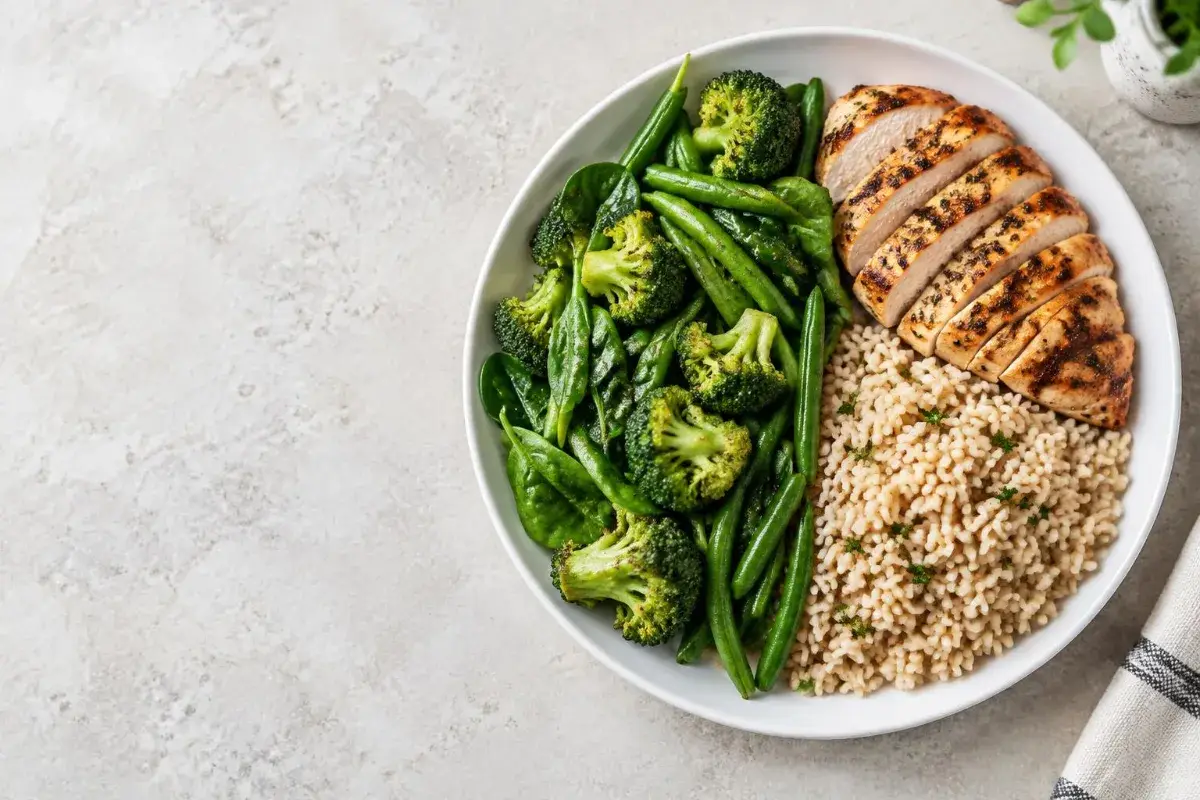
The diabetes plate method helps organize meals into manageable portions without requiring you to weigh every ingredient or count every calorie. Recommended by the American Diabetes Association, this approach uses a 9-inch plate divided into three sections.
The diabetes plate method provides a practical starting point for meal planning, but it does not replace individualized dietary advice from your healthcare professional.
- ½
Non-Starchy Vegetables
Fill half your plate with vegetables such as broccoli, spinach, cauliflower, or green beans. These foods provide fiber and essential nutrients while generally containing fewer carbohydrates than starchy vegetables.
- ¼
Lean Protein
Choose foods such as skinless chicken, fish, turkey, eggs, or tofu. Protein contributes to a balanced meal and supports the body's tissue maintenance and repair.
- ¼
Carbohydrate Foods
Complete your plate with foods such as brown rice, potatoes, whole grains, or other carbohydrate-containing options. Because carbohydrates affect blood glucose, portion sizes should reflect your individual nutritional needs and diabetes care plan.
What's on Your Plate?
Explore different meal combinations with our interactive Plate Builder. Search for foods, add them to your virtual plate, and review educational assessments based on Dr. Fernández's NBDC framework.
Each selection receives a color-coded classification reflecting how the model interprets its relationship to the metabolic network:
- Green: Fights the Network. Foods the NBDC model classifies favorably.
- Amber: Neutral. Foods assigned an intermediate classification.
- Red: Feeds the Network. Foods the model classifies less favorably.
Compare different selections to explore the concepts introduced in Eating Against the Network. These classifications are educational interpretations, not clinical measurements of how your body will respond to a particular food.
How to Build a Diabetes-Friendly Thanksgiving Plate
Thanksgiving dinner often includes several carbohydrate-rich dishes, from mashed potatoes and stuffing to dinner rolls and desserts. The diabetes plate method can help you plan portions while making room for your favorite holiday foods.
Here is an example of how to divide a 9-inch Thanksgiving dinner plate.
Green Beans and Roasted Brussels Sprouts
Start with non-starchy vegetables to add fiber and variety to your meal. Steamed green beans or Brussels sprouts roasted with a little olive oil are options that can fit into this section.
Roasted Turkey
Add a serving of roasted turkey, preferably without the skin, for your protein portion. Consider using herbs and spices for flavor rather than relying heavily on rich sauces.
Mashed Potatoes or Stuffing
Choose mashed potatoes, stuffing, or smaller portions of both for your carbohydrate section. Remember that cranberry sauce, rolls, sweetened beverages, and desserts may contribute additional carbohydrates.
Try Your Thanksgiving Meal in the Plate Builder
Search for your Thanksgiving foods in the interactive tool and add the available selections to your plate. Compare combinations and review their classifications under the NBDC model.
The results are intended to illustrate the framework's interpretation of food choices, not predict your blood sugar response or determine whether a meal is medically appropriate for you.See How the NBDC Framework Evaluates Your Food Choices
The traditional diabetes plate method focuses on food proportions. Our Plate Builder offers a separate educational perspective by evaluating selected foods through the seven biochemical pathways described in Eating Against the Network.
Explore three features as you build your plate:
Network Activation Score
View a score from 0 to 100 representing how the NBDC model classifies your selected food combination. Lower scores indicate a more favorable assessment within the framework, but they do not measure blood glucose or provide a validated indicator of metabolic health.
Node Activation
Review the model's assessment of seven interconnected biochemical pathways, including those associated with glucose processing, cellular energy production, and metabolic stress.
Meal Assessment
Explore an overall interpretation of your selections and compare how different food combinations are classified. Use these findings as educational reference points rather than personalized dietary recommendations.
Discover the Science Behind Eating Against the Network
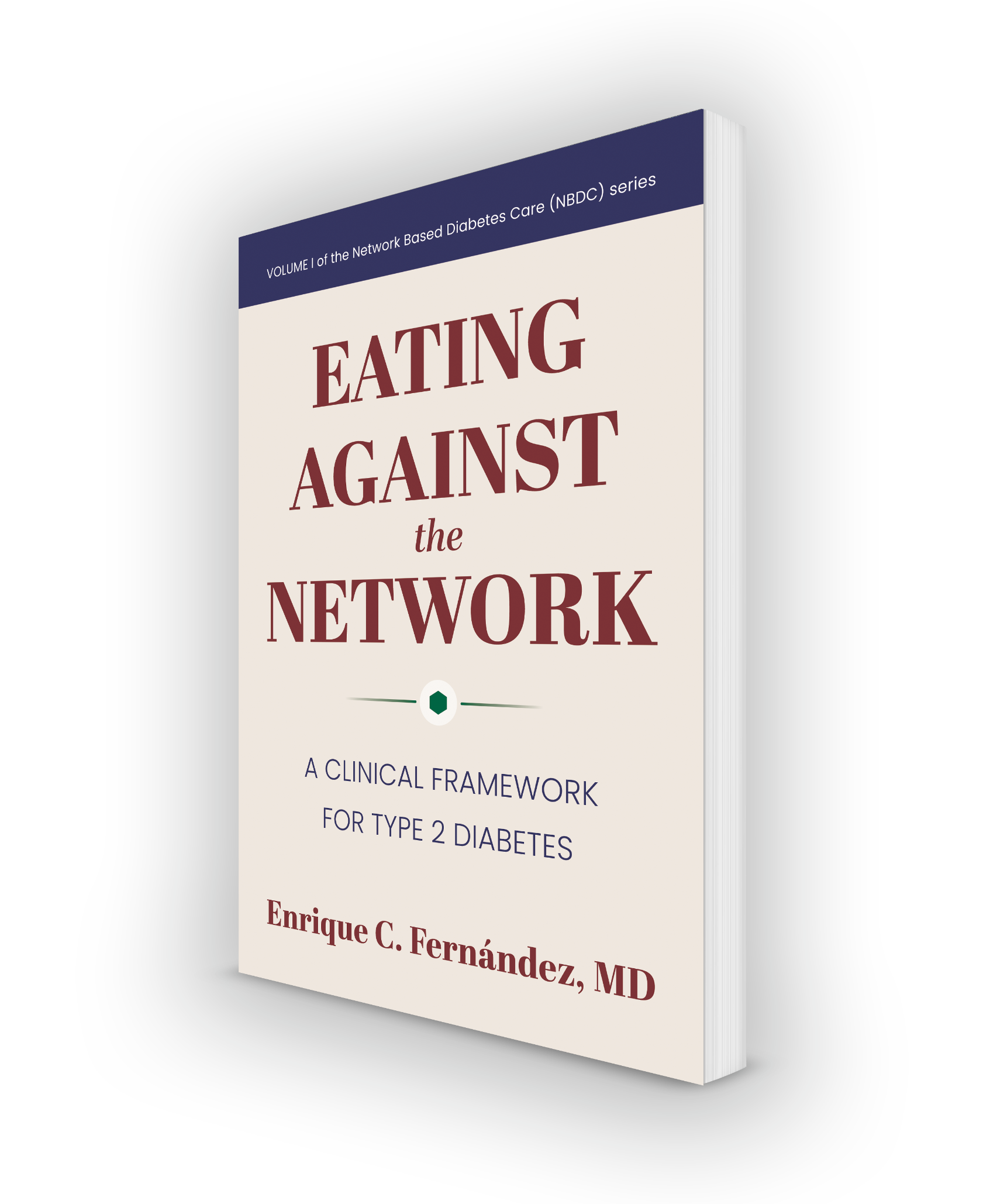
Interested in the metabolic processes discussed throughout the Plate Builder? Eating Against the Network by Enrique C. Fernández, MD, introduces the NBDC framework and explores the relationship between nutrition and seven interconnected biochemical pathways involved in type 2 diabetes.
Learn about the research and physiological concepts behind the framework through the first volume of the book series.
Explore the BookMedical Disclaimer: The Plate Builder is an educational tool based on the Network Based Diabetes Care framework. Its classifications, scores, and pathway assessments are not established clinical measurements and have not been independently validated to predict individual blood glucose responses or treatment outcomes. The information on this page does not replace medical advice, diagnosis, or treatment. Consult your healthcare professional before making significant changes to your diet, medication, or diabetes management plan.